Google 500+ Reviews, 5.0 stars, HSA and FSA accepted

Peptides - Unleash Potential

MD Supervised Peptide Therapy
    Request a Complimentary Consultation

    Take the first step toward feeling your best.

      Request a Complimentary Consultation

      Take the first step toward feeling your best.

      Featured In

      MD Supervised
      Peptide Therapy

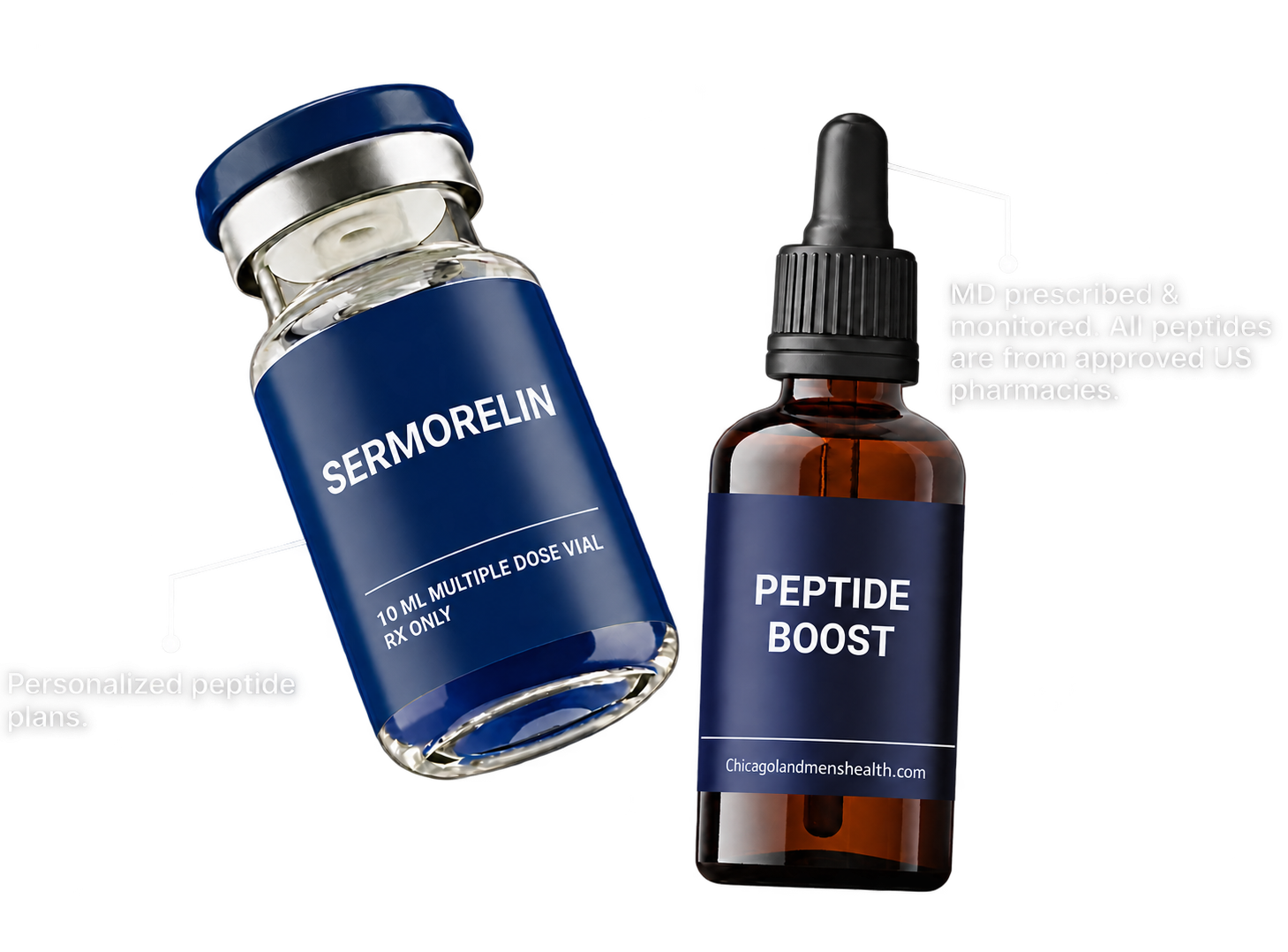
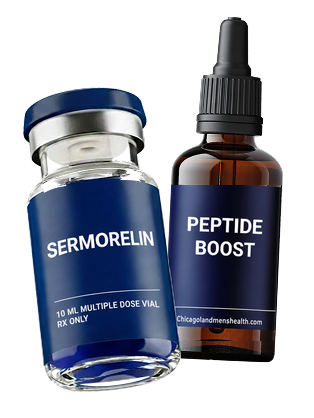
      Peptides stimulate the production and release of Human Growth Hormone from the pituitary gland and hypothalamus. As we age, HGH production decreases, leading to a scarcity of HGH. Peptides can be prescribed by physicians as a cost effective and beneficial alternative to synthetic HGH.

      • Stimulate HGH Release
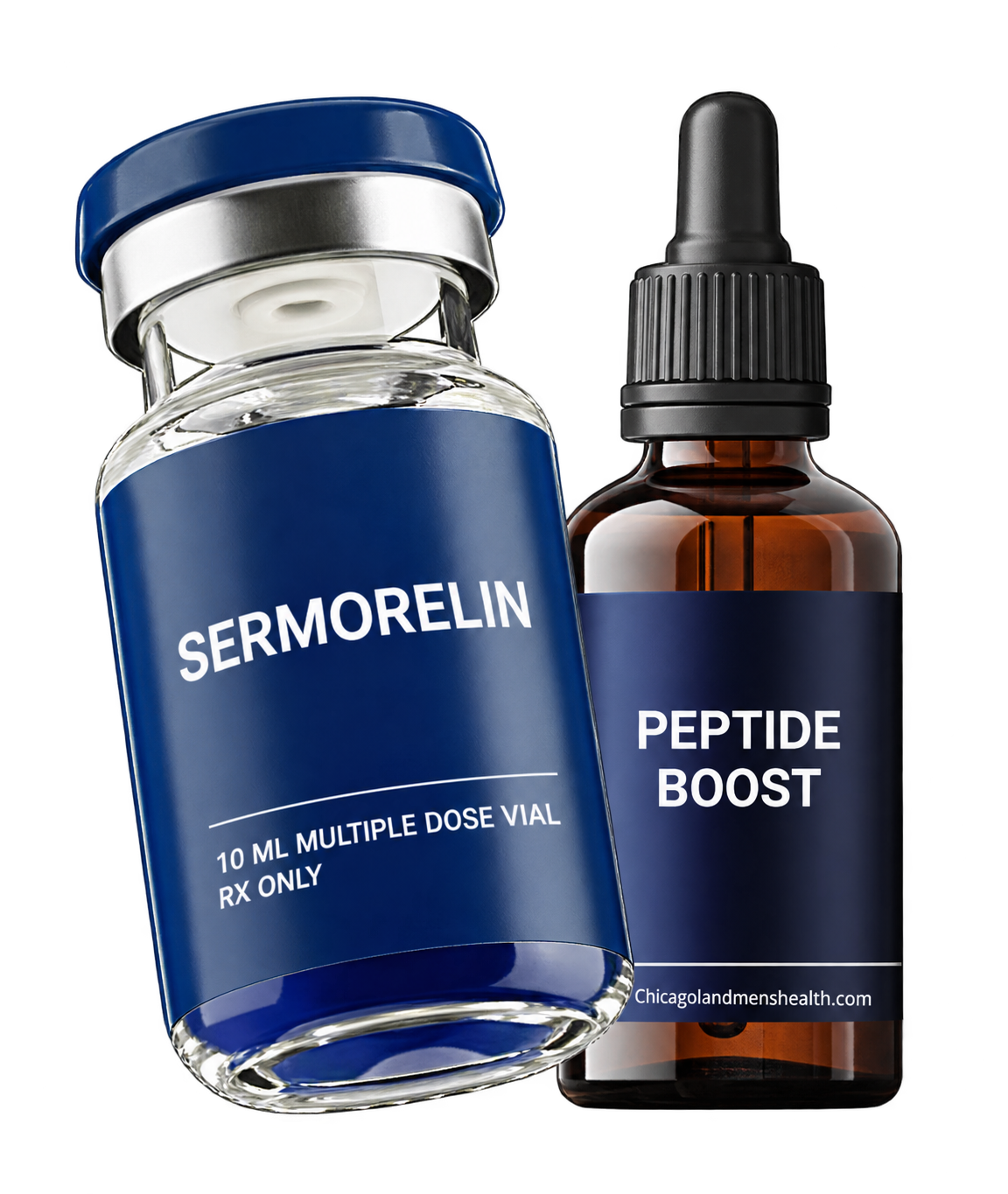
      • Injectable Sermorelin
      • Oral Sermorelin
      • Taken Before Bed
      • Cost Effective Alternative to HGH
      • MD Supervised Plan
      01Image.png

      MD Supervised Peptide Therapy

      Join our Peptide Therapy. Here’s what you can expect:

      • Cost Effective Alternative to HGH

      • Oral Sermorelin Available

      • Injectable Sermorelin Available

      • MD Supervised Programs

      All-In-One
      Peptide Therapy Program

      Peptides - Combo Treatment Available.

      HGH Releasing
      Peptides

      MD Supervised Plans

      HGH Releasing Peptides

      HGH peptides can be prescribed as a cost effective & beneficial alternative to synthetic HGH
      HGH Peptides vs.
      Synthetic HGH

      HGH Peptides vs.
      Synthetic HGH

      • $2500.00+ Monthly
      • Cost Effective
      • Increases Natural HGH Production
      • Potential Pituitary Burn-Out
      • Unwanted Side Effects
      • Most Commonly Prescribed
      HGH Peptides
      Synthetic HGH

      Frequently Asked Questions About Peptide Treatment

      Questions
      Peptides are short chains of amino acids, and your body already relies on hundreds of them as chemical messengers. Insulin is a peptide, and so is the hormone that tells your pituitary gland when to release growth hormone. Peptide therapy uses prescribed peptides to prompt a specific response in the body. At Chicagoland Men's Health, the peptide program centers on sermorelin, a growth hormone-releasing peptide used to support the body's own growth hormone production as men get older. Peptides vary widely in how much research supports them and how they're regulated, which is exactly why they belong under a physician's care rather than in an online shopping cart.
      Sermorelin is a lab-made version of the first 29 amino acids of growth hormone-releasing hormone (GHRH), the signal your brain naturally sends to the pituitary gland. It binds to the same receptors and prompts the pituitary to release its own growth hormone in pulses, while the body's normal feedback controls stay in place. It's usually taken at bedtime because growth hormone release naturally peaks during sleep. Sermorelin isn't new. The FDA approved it under the brand name Geref, first for diagnostic testing in 1990 and later for treating children with growth hormone deficiency. Today it's prepared by licensed compounding pharmacies and prescribed off-label for adults.
      No. Synthetic human growth hormone (HGH) supplies the hormone directly, while sermorelin encourages your own pituitary gland to make more of it. That difference has practical consequences. Because sermorelin works through the body's natural signaling, its effect depends on having a pituitary that still responds, and the body's feedback system continues to regulate how much growth hormone is released. HGH also comes with strict legal limits. Federal law allows it to be distributed only for specific FDA-authorized conditions, such as adult growth hormone deficiency caused by pituitary disease, and it cannot legally be prescribed for anti-aging or athletic enhancement. Sermorelin is a different medication with a different mechanism, and your provider can explain which approaches are appropriate for your situation.
      Men usually look into sermorelin for better sleep, recovery, energy, and body composition, all areas that growth hormone influences and that tend to change with age. The research in adults is real but still limited. A study of healthy older men found that sermorelin raised growth hormone and IGF-1, the hormone that carries out many of growth hormone's effects, back toward more youthful levels. In a small placebo-controlled trial of adults aged 55 to 71, about four months of treatment increased lean body mass in men, who also reported better well-being and libido. Your provider tracks your IGF-1 and other labs over time, so you can see whether it's actually working for you.
      The best candidates are adult men with symptoms that may be tied to declining growth hormone activity, like poor sleep, slow recovery, or unwanted changes in body composition, along with lab results that support a closer look. Your provider reviews your medical history and bloodwork, including IGF-1, before recommending treatment. Not everyone is a fit. Because growth hormone and IGF-1 promote tissue growth, men with active cancer are generally not candidates, and thyroid problems should be identified and addressed first since they can affect how the body responds. Sermorelin also depends on a pituitary gland that still works normally. Treatment is prescribed when it's clinically appropriate, not simply because someone asks for it.
      Injectable sermorelin is the form that was FDA-approved and the one used in clinical research. It's taken once a day, usually at bedtime, with a small needle just under the skin, and most men get comfortable with it quickly. Oral and under-the-tongue versions are compounded options for people who would rather avoid injections. The trade-off is absorption. Peptides are easily broken down in the digestive tract, so less of an oral dose reaches the bloodstream, and there is little published research on oral sermorelin specifically. Your provider can talk through both options with you and use follow-up labs to check how your body is responding to whichever form you choose.
      Sermorelin works gradually, so this isn't a treatment where you'd expect to feel different overnight. Changes in growth hormone and IGF-1 can appear on bloodwork within weeks. Changes in body composition take longer. In the research on older adults, increases in lean body mass were measured after about four months of nightly treatment. Individual response varies with age, baseline hormone levels, sleep, training, and nutrition, and some men notice more than others. A follow-up visit with repeat labs after the first few months gives you and your provider a clear, objective read on whether the dose needs adjusting or whether the therapy is the right fit.
      Side effects are usually mild. The most common is a reaction where the shot goes in, such as brief redness, swelling, or soreness, which affected about one in six patients in the original clinical trials and tends to fade as people get used to self-injecting. Rotating injection sites helps. Less often, people notice headache, facial flushing, dizziness, or sleepiness, and these are generally temporary. Because growth hormone can affect how the body handles blood sugar, your provider keeps an eye on labs like IGF-1 and glucose so the dose stays in a healthy range.
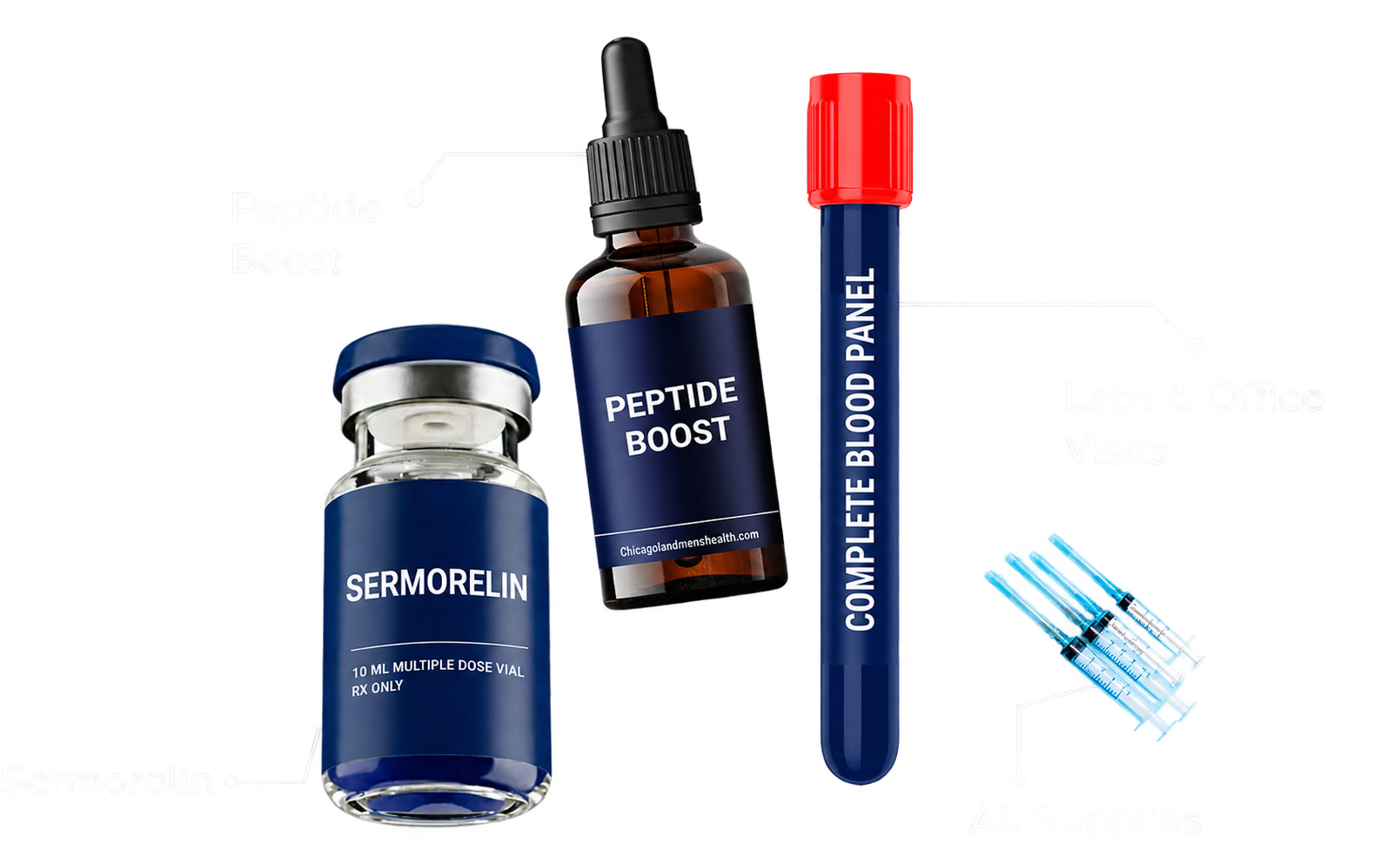
      Peptide therapy programs at Chicagoland Men's Health start at $300 per month. The practice runs on a concierge, subscription-based model, so the program fee covers your physician evaluation, ongoing follow-up, routine lab monitoring, and your prescribed medication along with the supplies needed to take it, shipped directly to your home. Billing runs on a 60-day cycle. Because the program is self-pay, it isn't billed through insurance, and your treatment is based on your symptoms, labs, and history rather than a plan's coverage rules. HSA and FSA funds can be applied toward the cost, and routine bloodwork can be done at a nearby Labcorp location. Your exact price depends on the plan your provider prescribes, which is reviewed during a complimentary consultation at the Chicago or Oak Brook office.
      It's risky, and it's one of the most common mistakes men make with peptides. Many products sold online are labeled "research use only," which means they are not intended for use in people and haven't been prepared to the standards required for medication. There's no physician checking whether the peptide is appropriate for you, no labs tracking how your body responds, and no reliable way to know what's actually in the vial or how much. Chicagoland Men's Health doesn't make or dispense medication itself. Your provider sends each prescription to a licensed U.S. pharmacy partner, and customized formulations are prepared by a licensed 503A compounding pharmacy for you specifically. The pharmacy's standards and ongoing physician oversight are a large part of what makes treatment safe.

      Reviewed
      Clinic in Chicagoland

      /
      Our locations

      Superior Care in two Locations

      Chicago Office
      Western Suburbs Office
      Your health can’t wait

      Let’s build a healthier & more balanced you!